

How to Fix Sour Espresso Shots (Common Causes and Simple Fixes)
How to Fix Sour Espresso Shots
TLDR
Sour espresso almost always means under-extraction. The shot ran too fast, the grind was too coarse, the water was too cool, or the coffee did not spend enough time extracting. Slow the shot down, extract a little more, and the flavor usually cleans up quickly.
Quick Answer If Your Espresso Tastes Sour
If your espresso tastes sharp, thin, or lemony, it is very likely under-extracted. Start by grinding finer and aiming for a longer shot time. Do not change everything at once. One adjustment is usually enough.
In most cases, fixing sour espresso comes down to one thing: controlling grind size so the shot extracts slowly and evenly.
What Sour Espresso Actually Means
Sourness in espresso is not the same as pleasant acidity. A sour shot tastes unfinished. It can feel puckering, grassy, or hollow, especially as it cools.
This happens because espresso extracts in stages. The bright acids come out first, followed by sugars and heavier compounds. If the shot ends too early, you get the acids without the balance. Because espresso extracts quickly, even small mistakes show up clearly in the cup.
The Most Common Causes of Sour Espresso
Grind Size Is Too Coarse
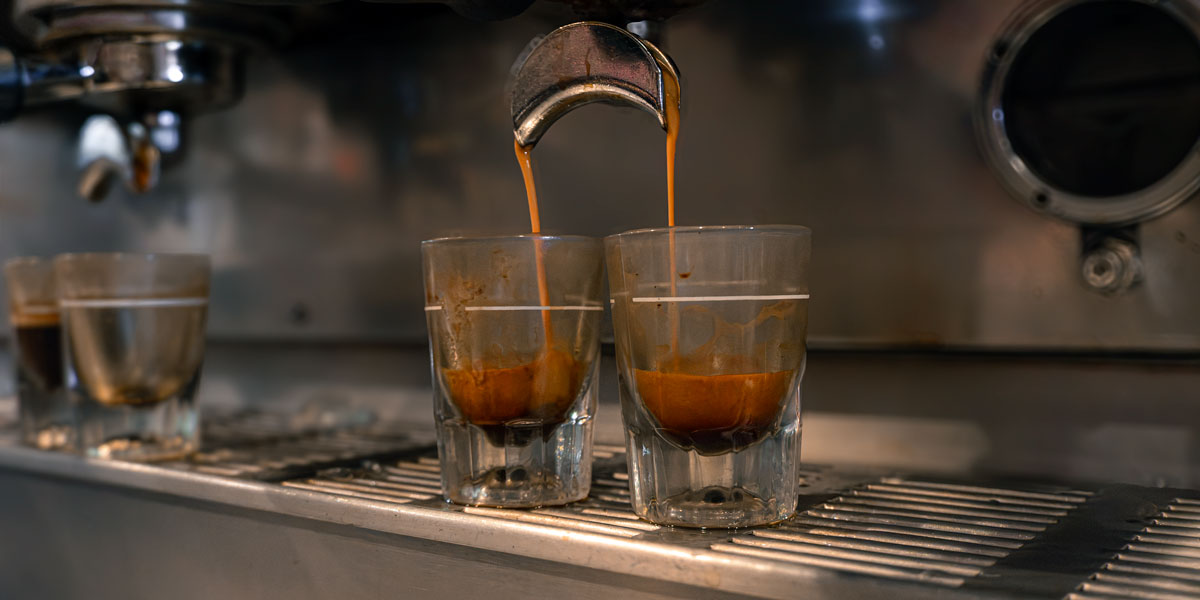
A coarse grind lets water move through the puck too quickly. The shot finishes before enough flavor has time to extract.
The Shot Is Running Too Fast
Even with a reasonable grind, low resistance can cause fast flow. This often shows up as a shot finishing well under 25 seconds.
Brew Temperature Is Too Low
Water that is too cool struggles to extract sugars and deeper flavors. This is common on machines with limited temperature control or stability.
Dose Is Too Small for the Basket
Under-dosing leaves extra space in the basket and reduces resistance. Water flows too freely and under-extracts the coffee.
The Coffee Is Very Light or Extremely Fresh
Light roasts are harder to extract, and very fresh coffee can behave unpredictably. Both can lean sour without careful dialing in.
How to Fix Sour Espresso Step by Step
Adjust Grind Size First
This is the most effective fix. Grind slightly finer and pull another shot. The goal is to slow the flow and increase contact time between water and coffee.
Slow the Shot With Yield or Dose
If adjusting the grind is not enough, reduce the final yield slightly or increase the dose by a small amount. Both changes increase extraction.
Raise Brew Temperature If You Can
If your machine allows it, increase the brew temperature by one or two degrees. This often helps with light or dense coffees.
Know When to Change Beans
If you are grinding finer, increasing dose, and raising temperature but the shot still tastes aggressively sour, the coffee may not be the right fit for your setup.
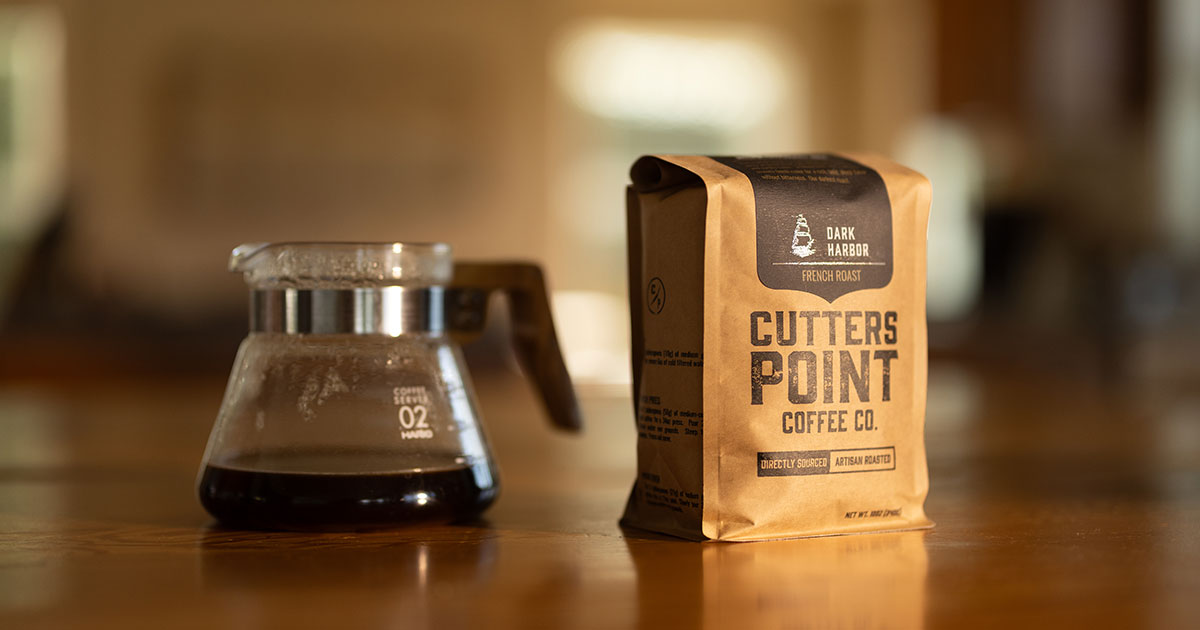
Our Discovery Espresso is designed to work well across a wide range of machines and grinders. It is a medium roast blended for consistency, balance, and easier extraction. For many home setups, a coffee like this removes unnecessary variables and makes it easier to pull a sweet, balanced shot without chasing adjustments.
Dialing In Without Overthinking It
A simple order of operations helps keep things manageable.
First, set your dose and leave it alone.
Second, adjust grind size until shot time and flow look reasonable.
Third, fine tune yield and temperature based on taste.
Taste after every change. Numbers are helpful, but flavor is the final judge.
When Sour Espresso Is Not a Problem
Some espresso is meant to be bright. Light roasts often carry citrus or stone fruit notes that can taste sharp if you are used to darker profiles.
Our Blend 95 from the Legacy Collection is a good example of what a light espresso can taste like when it is pulled with care. It is bright but balanced, with a clear stone fruit sweetness that keeps it from tipping into sour territory. When brewed well, it is an approachable introduction to lighter espresso styles without sacrificing structure.
If the espresso tastes clean, sweet underneath, and works well with milk, it may not be a flaw. If it tastes thin, harsh, or unfinished, it likely is.
Espresso Gear Issues That Create Sour Shots
Grinder Limitations
Inconsistent grind size leads to uneven extraction, which often shows up as sourness mixed with bitterness. This is common with grinders that are not designed for espresso.
Espresso requires a burr grinder with fine, precise adjustment. Burr grinders, whether flat or conical, produce a more uniform grind and allow you to control flow and extraction. Blade grinders create inconsistent particle sizes and make dialing in espresso nearly impossible.
If you want a deeper breakdown of grind size and how it affects different brew methods, our Coffee Brewing Methods and Grind Guide explains it in more detail:
Basket Size Mismatches
Using the wrong dose for your basket creates uneven flow and weak extraction.
Machine Temperature Stability
Machines that struggle to hold temperature can swing shots from sour to bitter without obvious changes.
A Simple Espresso Baseline That Avoids Sour Shots
Start with a ratio around 1:2 by weight.
Aim for a shot time of 25 to 30 seconds, with some lighter roasts benefiting from even longer extractions.
Use water hot enough to fully extract the coffee.
From there, adjust slowly and taste every shot..
Final Takeaway
Sour espresso is rarely mysterious. It is almost always an extraction issue, not bad coffee. Slow the shot down, extract a little more, and resist the urge to change everything at once. One small adjustment usually fixes it.
If you want to go deeper on how roast level and bean choice affect espresso flavor, read our guide on Best Coffee Beans for Espresso
keep reading

Get our latest brewing guide videos


and the stories behind the coffee
in your inbox

Get our latest brewing guide videos and the stories behind the coffee in your inbox

Get free coffee by earning points in the Cutters Point app. Download it here:


Website built by RUSTY GEORGE