

Best Coffee Beans for Espresso
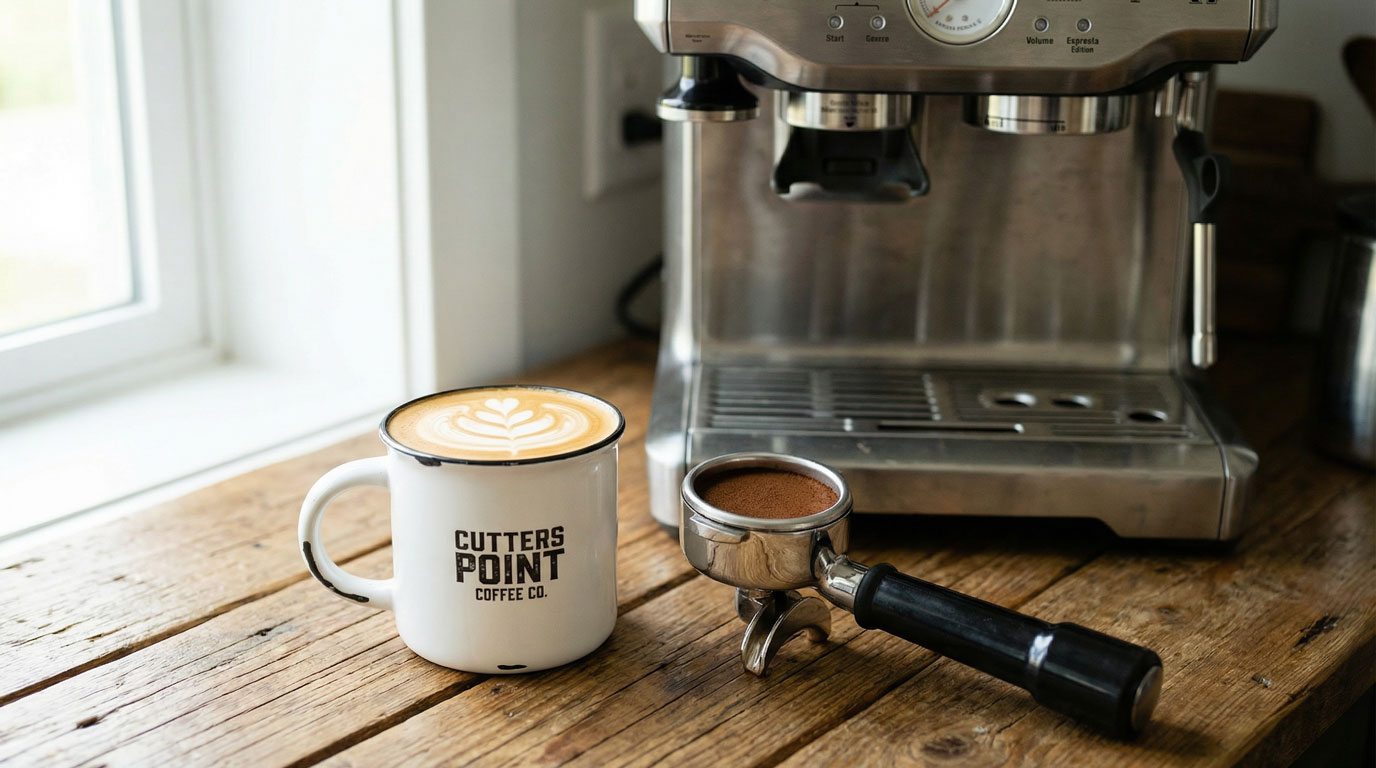
The best coffee beans for espresso are fresh, properly roasted, and matched to your machine and taste. Espresso is a brew method, not a special bean, and most people get the best results from medium to medium-dark roasts. Freshness and grind quality matter more than chasing a specific origin or label.
Best Coffee Beans for Espresso
How to Choose the Right Beans Without Overthinking It
If you have ever pulled a sour shot one day and a bitter one the next using the same beans, you already know this truth: espresso is unforgiving. The beans you choose matter a lot, but not in the way most marketing makes it sound.
There is no single best coffee bean for espresso. What actually matters is roast level, freshness, and how those beans work with your grinder and machine. Once you understand those basics, choosing espresso beans becomes much simpler and a lot less frustrating.
What Actually Makes Coffee Beans Good for Espresso?
Espresso extracts fast, under pressure, and in a small volume. That means it magnifies everything. Good flavors get louder. Bad ones show up immediately.
Roast Level and Espresso
Roast level has the biggest impact on how espresso behaves.
Light roasts are dense and harder to extract. They can taste great, but they demand precision. If your grind or temperature is slightly off, the shot will taste sharp or sour.
Medium roasts are the most forgiving. They extract evenly, produce balanced sweetness, and are easier to dial in. This is where most people should start.
Dark roasts extract easily but can tip into bitterness fast. They work well for milk drinks and traditional espresso flavors, but extremely dark or oily beans create more problems than they solve.
If you want consistent espresso with less fuss, medium to medium-dark roasts are the safe bet.
Freshness Comes First
Freshness matters more than origin, processing, or tasting notes.
Coffee needs time to rest after roasting. Most espresso performs best somewhere between 7 and 21 days off roast. Too fresh and the coffee releases too much gas, causing uneven extraction. Too old and the coffee tastes flat and lifeless.
If there is no roast date on the bag, that is your first red flag.
Is Espresso a Type of Coffee Bean?
No. Espresso is not a bean.
Espresso is a brewing method. Any coffee can be brewed as espresso if it is ground and extracted correctly.
So why do so many bags say espresso?
Those coffees are usually roasted and blended to work well under pressure. Espresso blends are designed to be balanced, predictable, and easy to dial in. They are not special beans, just thoughtfully built coffees.
Best Coffee Beans for Espresso by Roast Level
Different roast levels suit different people and setups. Knowing where you fall saves a lot of trial and error.
Light Roast Espresso
Light roast espresso highlights acidity and clarity.
You will taste fruit, florals, and bright flavors. Body is lighter and mistakes are obvious. These coffees reward careful dialing but punish shortcuts.
Best for people who enjoy experimentation and have solid equipment.
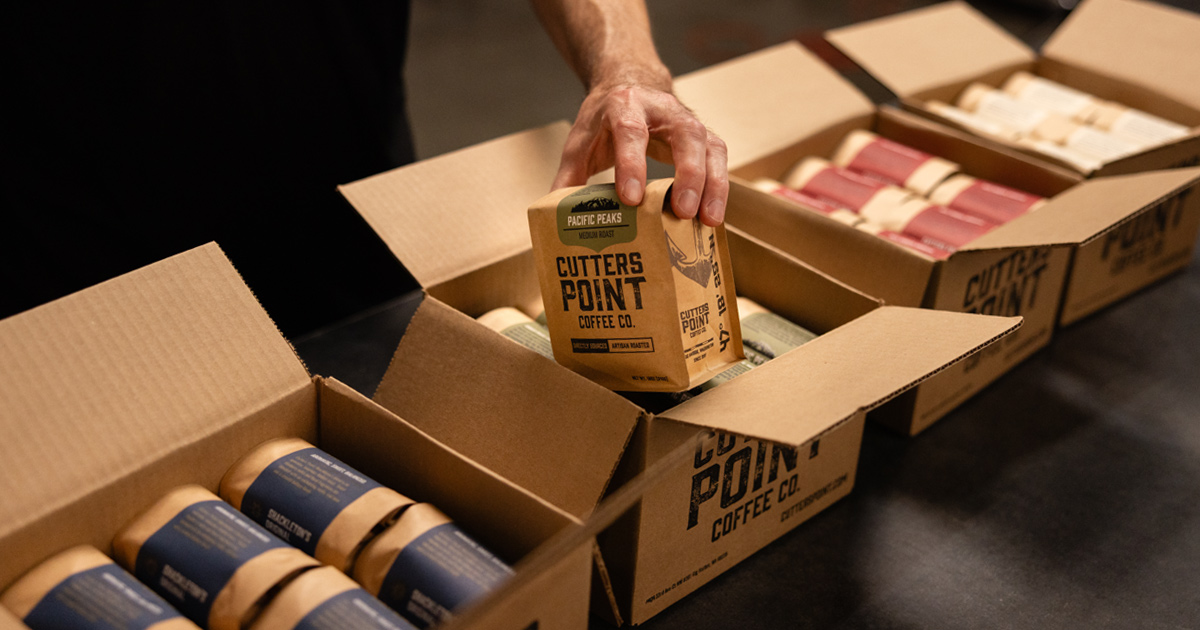
Try our Pacific Peaks blend. Its a Light roast closer to medium with the perfect balance.
If you are experienced with espresso and want a single origin our natural Colombia Cauca is phenominal. Bright, fruity, ballanced.
Medium Roast Espresso
This is the sweet spot for most espresso drinkers.
Medium roasts balance sweetness, acidity, and body. They work well as straight espresso and in milk drinks. They are forgiving enough to stay consistent from shot to shot.
Our Discovery Espresso Blend is crafted for the conistent espresso day in and day out.
Dark Roast Espresso
Dark roasts produce bold, classic espresso flavors.
Think chocolate, nutty, and roasted notes with heavier body. They pair well with milk but can turn bitter if pushed too far.
Avoid beans that look too shiny with oil. That often means the roast went too far and can cause grinder issues.
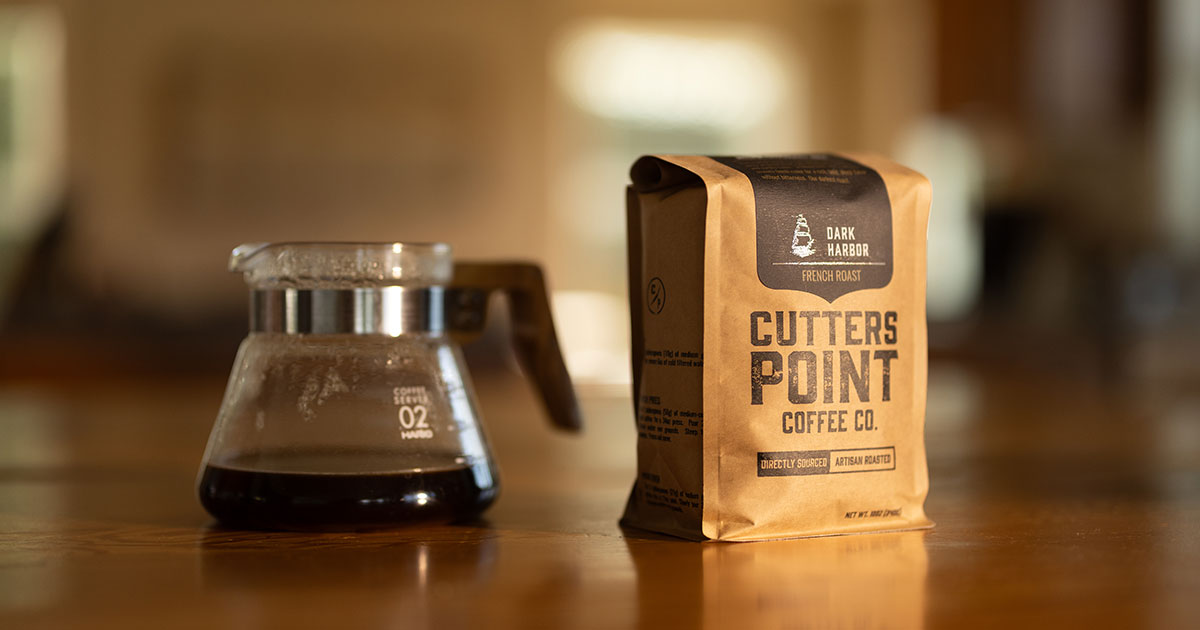
Dark Harbor is big, it's bold and it definitely holds up with most milk based espresso drinks.
Espresso Blends vs Single-Origin Coffee
Most cafes use blends for espresso, and there is a reason for that.
Blends are built for consistency. One coffee brings sweetness, another brings body, another adds structure. The result is an espresso that tastes good day after day.
Single-origin espresso can be excellent, but it is less predictable. Flavor shifts faster and dialing in takes more attention.
If you want reliability, choose a blend. If you enjoy chasing flavor differences, single origin can be a fun change of pace.
Choosing Beans Based on Your Espresso Setup
Your equipment plays a bigger role than people like to admit.
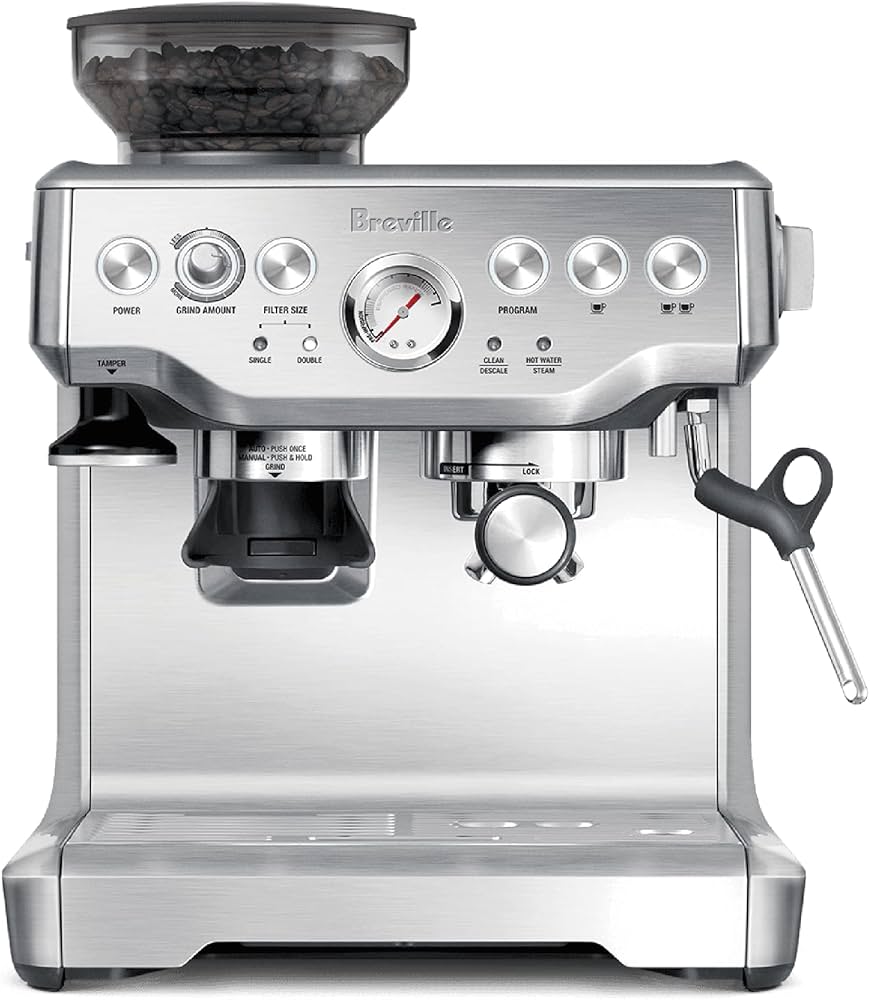
Home Espresso Machines
Most home machines do best with medium roasts. They extract cleanly, stay balanced across small grind changes, and are easier to work with if temperature control is limited.
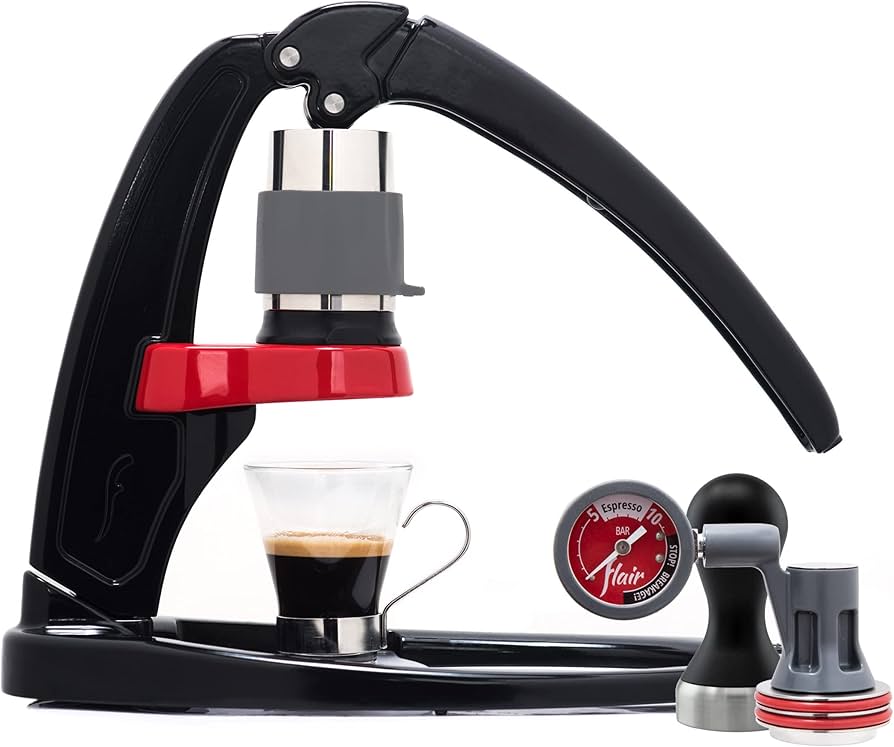
Manual Espresso Makers
Manual machines reward patience. Medium to medium-light roasts work well because you can control pressure and flow. Extremely light roasts are possible, but they require careful technique.
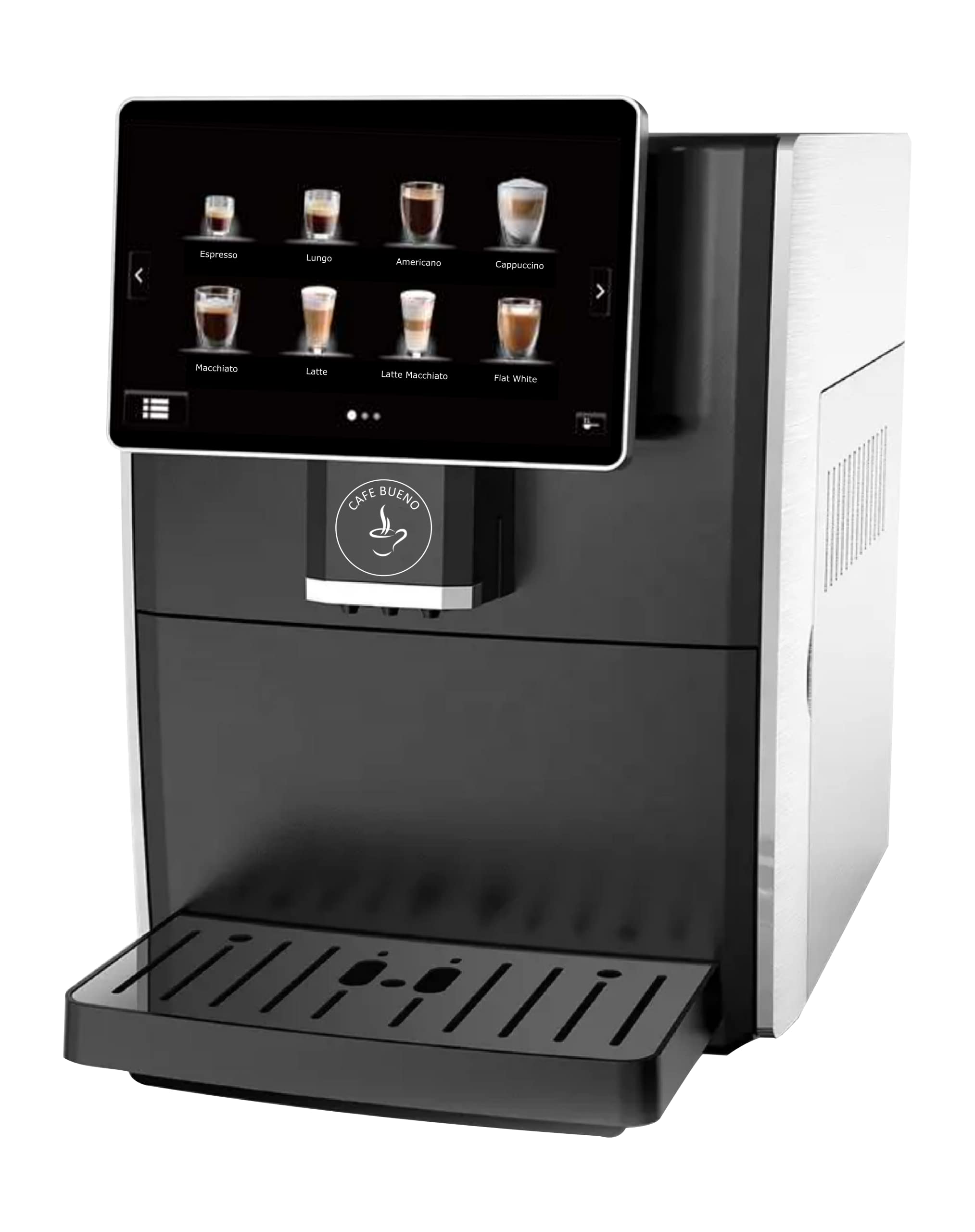
Super-Automatic Machines
Super-automatic machines prefer medium roasts with little surface oil. Oily dark roasts can clog burrs and brew units. A balanced medium roast will give better flavor and fewer maintenance headaches.
A Simple Espresso Recipe That Works
This is a reliable starting point for most beans.
- Dose: 18 to 20 grams
- Yield: 36 to 40 grams
- Ratio: 1:2
- Time: 25 to 30 seconds
- Water temperature: about 200°F
Change grind size first before adjusting anything else. Let taste guide you. Sour means under-extracted. Bitter means over-extracted.
Caffeine in Espresso vs Drip Coffee
Espresso tastes intense, but that does not mean it has more caffeine overall.
A single shot of espresso usually contains less total caffeine than a full mug of drip coffee. Espresso has more caffeine per ounce, but you drink much less of it.
Roast level has little impact on caffeine when measured by weight.
How to Store Espresso Beans
Storage helps maintain flavor and consistency.
- Use an airtight container
- Keep beans away from heat and light
- Skip the fridge
- Freeze only for long-term storage of unopened bags
If you freeze coffee, let it warm up before opening to avoid moisture problems.
Common Mistakes When Buying Espresso Beans
Most espresso problems start before the grinder turns on.
- Buying beans without a roast date
- Choosing extremely dark, oily coffee
- Using pre-ground coffee
- Ignoring grinder quality
- Assuming price equals quality
Espresso rewards solid fundamentals, not hype.
Final Thoughts
The best coffee beans for espresso are fresh, well-roasted, and suited to your setup. Medium and medium-dark roasts deliver the most consistent results for most people. Light roasts can be great, but they demand more precision.
Start simple, buy fresh, and let taste guide your decisions. Good espresso comes from understanding the basics and sticking to them.
keep reading
Get our latest brewing guide videos


and the stories behind the coffee
in your inbox

Get our latest brewing guide videos and the stories behind the coffee in your inbox

Get free coffee by earning points in the Cutters Point app. Download it here:


Website built by RUSTY GEORGE