

The Coffee Flavor Map: Find the Beans That Actually Fit Your Taste
The Coffee Flavor Map: Find the Beans That Actually Fit Your Taste
TLDR
Choosing coffee gets a lot easier when you stop trying to sound like a coffee expert and start with flavors you already know you like. This guide breaks coffee into simple flavor lanes, from smooth and chocolatey to bright and fruit-forward, so you can find beans that actually fit your taste.
Coffee tasting notes are not added flavors. They are clues. Once you know how to read them, picking your next bag of coffee becomes a lot less random.
Why Choosing Coffee Beans Feels More Complicated Than It Should
Buying coffee should be simple.
You walk in, grab a bag, brew it at home, and enjoy your morning like a person who has their life together.
But then you see words like washed process, stone fruit, floral acidity, cacao nib, structured sweetness, and suddenly you are standing there wondering if you are buying coffee or studying for a wine exam.
The good news is this:
You do not need to be a coffee expert to choose better coffee.
You just need a better way to translate flavor.
That is where a coffee flavor map helps. Instead of starting with origin, roast level, or processing method, start with something more useful:
What do you already like?
Do you like coffee that tastes smooth and familiar?
Do you want something chocolatey and easy-drinking?
Do you enjoy bright, fruit-forward flavors?
Are you looking for an espresso that works well at home without making you question every life decision you have made before 8 a.m.?
Once you know your flavor lane, choosing coffee gets a whole lot easier.
Coffee Tasting Notes, Explained Without the Snobbery
First, let’s clear up one of the biggest misunderstandings in coffee.
When a bag of coffee says it has notes of chocolate, citrus, caramel, berry, or toasted nuts, that does not mean those ingredients were added to the coffee.
Coffee tasting notes are comparisons.
They are a roaster’s way of saying, “This coffee reminds us of this flavor.”
So when you see:
Chocolate usually means smooth, rich, slightly sweet, and familiar.
Caramel points toward sweetness, warmth, and a rounder finish.
Citrus usually means brighter acidity, like lemon, orange, or grapefruit.
Berry or stone fruit often means a fruit-forward coffee with more complexity.
Nutty usually means comforting, mellow, and easy to drink.
Think of tasting notes like trail markers. They do not tell the whole story, but they help point you in the right direction.
And honestly, that is the whole point. Coffee should not feel like a secret language. It should help you find something you want to drink again.
Start Here: What Kind of Coffee Do You Actually Like?
Before worrying about roast level, origin, or brew method, ask yourself a simpler question:
What kind of flavor do I usually enjoy?
Most coffee drinkers fall into one of a few broad flavor lanes.
Flavor Lane #1: Smooth, Classic, and Easy-Drinking
This is the lane for people who want coffee to taste like coffee.
No weird surprises. No sharp acidity. No “interesting” cup that makes you wonder if your brewer is broken.
This flavor lane is usually:
- Smooth
- Balanced
- Mellow
- Familiar
- Easy to drink black or with cream
If you like classic diner coffee, office coffee that actually tastes good, or the kind of cup you can drink every morning without thinking too hard, this is probably your lane.
What to Look For
Look for coffees described with words like:
- Smooth
- Balanced
- Mellow
- Milk chocolate
- Toasted nuts
- Caramel
- Low acidity
Best Brew Methods
This lane works well for:
- Drip coffee
- French press
- Pour over
- Reusable pod-style brewers
- Batch brewing
For Cutters Point, this is the everyday coffee lane.
This is the kind of coffee you reach for when you want a cup that feels familiar, balanced, and easy to enjoy. It does not need a perfect recipe or a complicated brewing setup to taste good. It just needs to be well roasted, fresh, and built for the way people actually drink coffee at home.
A smooth, classic coffee is a great starting point if you are new to specialty coffee or if you simply want something dependable. It should feel comfortable without tasting flat. Familiar without feeling boring. Easy-drinking without sacrificing quality.
If you are not sure where to begin, start with a balanced medium roast or house-style blend, Like our Original Blend. Look for notes like chocolate, caramel, toasted nuts, or brown sugar. Those flavors usually point toward a cup that works well black, with cream, or as your daily morning coffee.
This is the “I just want a really good cup of coffee” lane. And honestly, that is a pretty great place to start.
Flavor Lane #2: Chocolatey, Caramelly, and Comforting
This is one of the most popular coffee lanes for a reason.
Chocolate and caramel notes tend to feel familiar, sweet, and satisfying. These coffees often have enough richness to stand up to milk, but they are still enjoyable black.
This flavor lane is usually:
- Sweet
- Round
- Medium-bodied
- Cozy
- Crowd-pleasing
If you like coffee that feels warm, rich, and a little dessert-like without being flavored, this is probably your lane.
What to Look For
Look for coffees described with words like:
- Chocolate
- Baker’s chocolate
- Cocoa
- Caramel
- Brown sugar
- Hazelnut
- Almond
- Toffee
Best Brew Methods
This lane works well for:
- Drip coffee
- French press
- Espresso
- Moka pot
- Cold brew
This is one of the most approachable lanes in the Cutters Point lineup.
Coffees with chocolate, caramel, and nutty notes tend to hit that sweet spot between familiar and special. They feel rich and satisfying, but they are not overly intense. They have enough depth to stand up to cream or milk, but enough balance to drink black.
For a lot of coffee drinkers, this is the lane that turns a daily habit into something they actually look forward to.
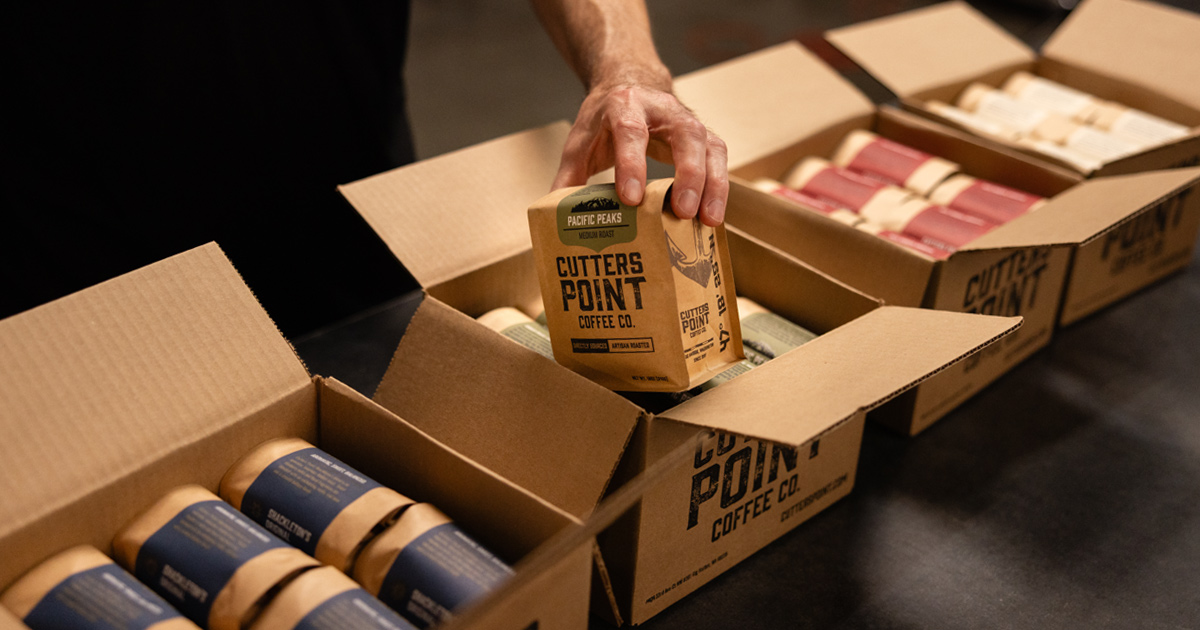
Coffees like Pacific Peaks or Original are great examples of this direction. They offer the kind of smooth, comforting flavor that works across different brew methods, especially drip coffee, French press, and cold brew.
This is also a strong lane for gifting. If you are buying coffee for someone else and you are not sure what they like, chocolatey and caramel-forward coffees are usually a safe and thoughtful choice. They feel elevated without asking the drinker to be adventurous before breakfast.
Flavor Lane #3: Bright, Fruity, and Complex
This is where coffee starts to feel a little more adventurous.
Bright, fruit-forward coffees can surprise people the first time they try them. They may taste lighter, cleaner, sweeter, or more vibrant than the coffee they are used to drinking.
Sometimes people describe these coffees as having notes of citrus, berries, stone fruit, honey, florals, or tropical fruit. That does not mean the coffee is flavored. It means the coffee naturally reminds the roaster of those flavors.
This flavor lane is usually:
- Bright
- Clean
- Lively
- Sweet
- More complex
- Sometimes tea-like
If you like the idea of coffee that changes as it cools, has layered flavor, or feels more like something you want to slow down and pay attention to, this might be your lane.
This is also where specialty coffee really starts to show off a little.
Not in an annoying way.
More like, “Wait, coffee can taste like that?”
What to Look For
Look for coffees described with words like:
- Citrus
- Berry
- Stone fruit
- Peach
- Cherry
- Floral
- Honey
- Juicy
- Bright
- Complex
Best Brew Methods
This lane works especially well for:
- Pour over
- AeroPress
- Drip coffee
- Light espresso, if dialed in carefully
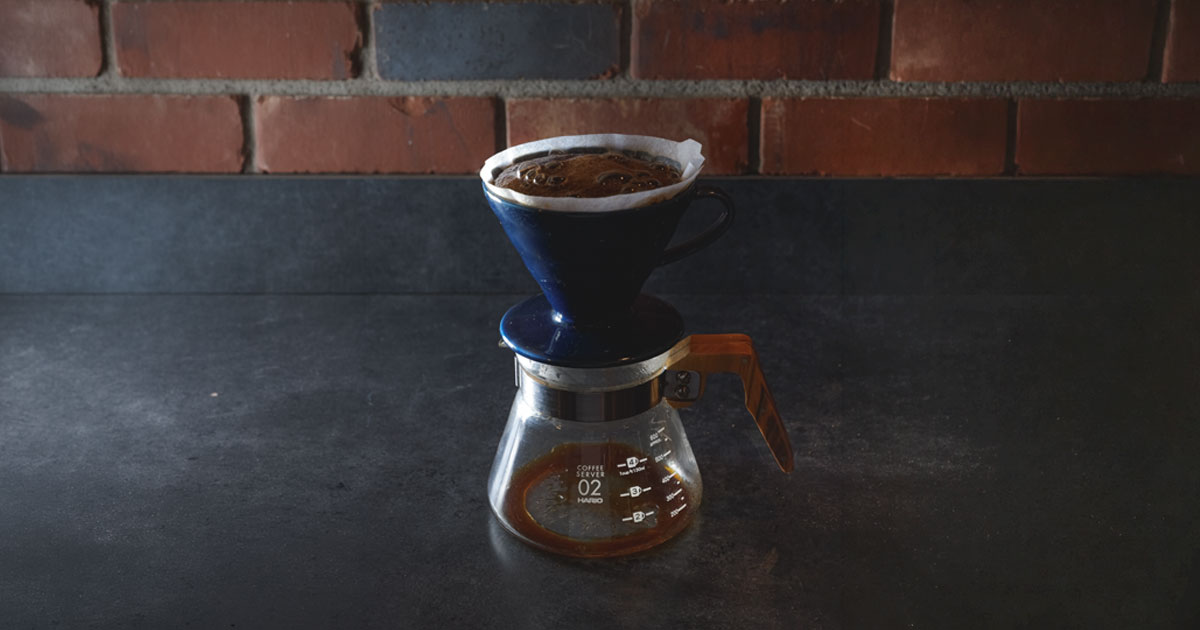
Pour over is often the best way to experience these coffees because it highlights clarity, sweetness, and aromatics.
This is where the Legacy Collection really shines.
Bright, fruit-forward coffees are for people who want to experience more of what specialty coffee can be. These coffees often show more origin character, more complexity, and more nuance in the cup. They may taste cleaner, sweeter, more aromatic, or more layered than the coffee someone is used to drinking every day.
That does not mean they are only for coffee experts.
It just means they are worth slowing down for.
The Legacy Collection is built for this kind of experience. These coffees are selected to highlight something distinct, whether that is a beautiful fruit note, a delicate sweetness, a clean finish, or a cup profile that changes as it cools.
If you enjoy pour over, this is a great lane to explore. Pour over tends to bring out clarity and aromatics, which makes it a strong match for brighter and more expressive coffees.
And if you are new to this flavor lane, here is the important thing to know: bright does not mean sour. When a coffee is roasted and brewed well, brightness should feel lively, clean, and sweet.
Think of it like taking the scenic route. It may not be the fastest way to your morning cup, but the view is the point.
Flavor Lane #4: Bold, Dark, and Heavy-Bodied
Some people want coffee with weight.
They want something deep, strong, rich, and familiar. A coffee that can take cream without disappearing. A coffee that feels like it has a little backbone.
There is nothing wrong with that.
Dark roast drinkers sometimes get side-eyed in specialty coffee circles, but let’s be honest: a well-roasted dark coffee can be deeply satisfying. The key is finding one that has richness without tasting burnt, flat, or bitter for the sake of being bitter.
This flavor lane is usually:
- Full-bodied
- Rich
- Lower in perceived acidity
- Dark chocolate leaning
- Sometimes smoky or roasty
- Strong enough for milk or cream
If you like classic bold coffee, darker diner-style cups, or coffee that feels sturdy and familiar, this may be your lane.
What to Look For
Look for coffees described with words like:
- Dark chocolate
- Cocoa
- Roasted nuts
- Smoky
- Full-bodied
- Bold
- Rich
- Heavy
- Low acidity
Best Brew Methods
This lane works well for:
- French press
- Drip coffee
- Espresso
- Moka pot
- Cold brew
French press is a strong match because it naturally brings out body and richness. Cold brew can also work well with darker coffees because it softens bitterness and leans into cocoa-like sweetness.
Cutters Point has plenty of respect for the bold coffee drinker.
There is a certain kind of coffee customer who knows exactly what they want. They want depth. They want body. They want a cup that feels strong, rich, and familiar. They do not want something sharp, delicate, or tea-like. They want coffee that tastes like coffee.
That preference deserves better than burnt, bitter beans.
A well-roasted darker coffee should still have sweetness, structure, and balance. It can be rich and full-bodied without tasting flat. It can have deep chocolate, roasted nut, or cocoa notes without becoming harsh.
This lane is especially useful for people who drink coffee with cream, make French press, brew cold brew, or just prefer a cup with more weight. If you are someone who says, “I do not want anything sour,” this is probably where you should start.
The goal is not to push every coffee drinker toward light roasts. The goal is to help you find the best version of the coffee you already enjoy.
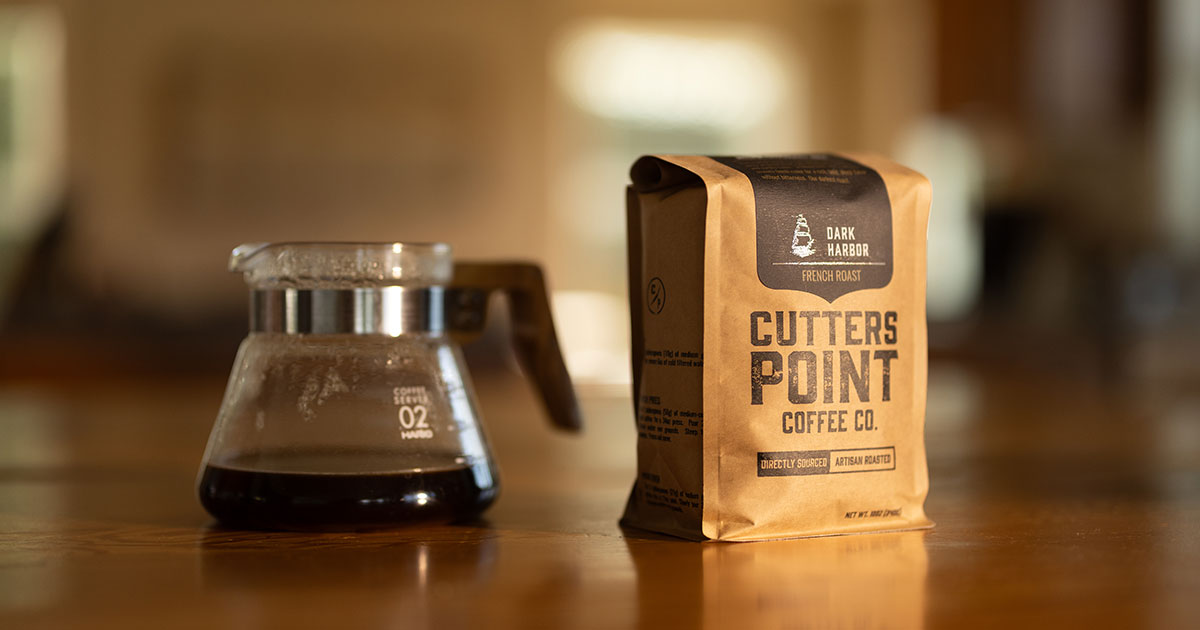
There is no shame in liking a bolder cup. Around here, good coffee is not about proving a point. It is about brewing something worth coming back to. Try our Fisherman's Blend or Dark Harbor.
Flavor Lane #5: Espresso That Actually Behaves
Espresso deserves its own lane because espresso is a little dramatic.
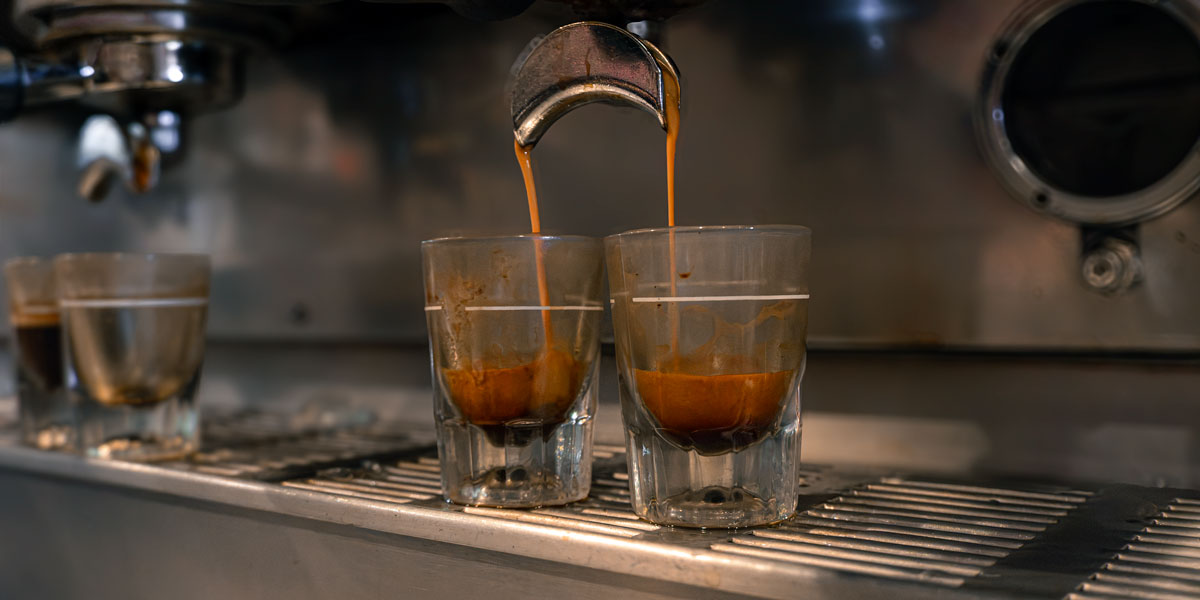
A coffee that tastes great as drip coffee may not automatically work well as espresso. Espresso puts everything under pressure, literally. It concentrates sweetness, acidity, bitterness, body, and roast development into a tiny, high-stakes cup.
That is why the best espresso coffees are usually built for balance.
You want enough sweetness to keep the shot pleasant, enough body to feel satisfying, and enough structure to hold up whether you drink it straight or with milk.
This flavor lane is usually:
- Sweet
- Balanced
- Syrupy
- Structured
- Consistent
- Good with milk
- Forgiving enough for home machines
If you have ever tried dialing in espresso at home and ended up with something sharp, thin, bitter, or weirdly hollow, you are not alone.
Espresso is not always hard because you are doing something wrong. Sometimes the coffee is just not a great fit for your setup.
What to Look For
Look for coffees described with words like:
- Balanced
- Sweet
- Chocolate
- Caramel
- Stone fruit
- Syrupy
- Full-bodied
- Espresso blend
- Works well with milk
Best Brew Methods
Obviously, espresso is the main one here, but this lane can also work well for:
- Moka pot
- AeroPress
- Strong drip coffee
- Milk-based drinks
- Iced lattes
For espresso, the coffee choice matters a lot.
A coffee that tastes great as drip coffee does not always work well under pressure. Espresso concentrates everything. Sweetness, acidity, bitterness, body, roast development, all of it gets pushed into a small, intense cup. That is why a good espresso coffee needs balance.
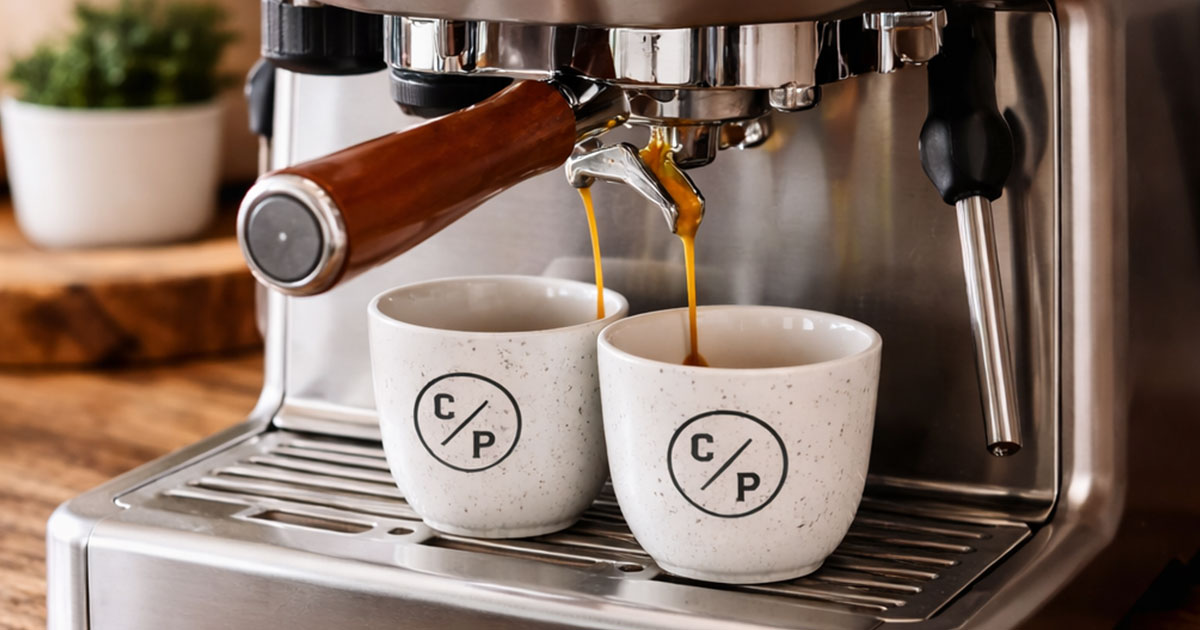
For most home espresso drinkers, Discovery Espresso is the place to start. It is built to be dependable, sweet, balanced, and approachable. It works well straight, but it also has enough body and structure to hold up in milk drinks like lattes and cappuccinos.
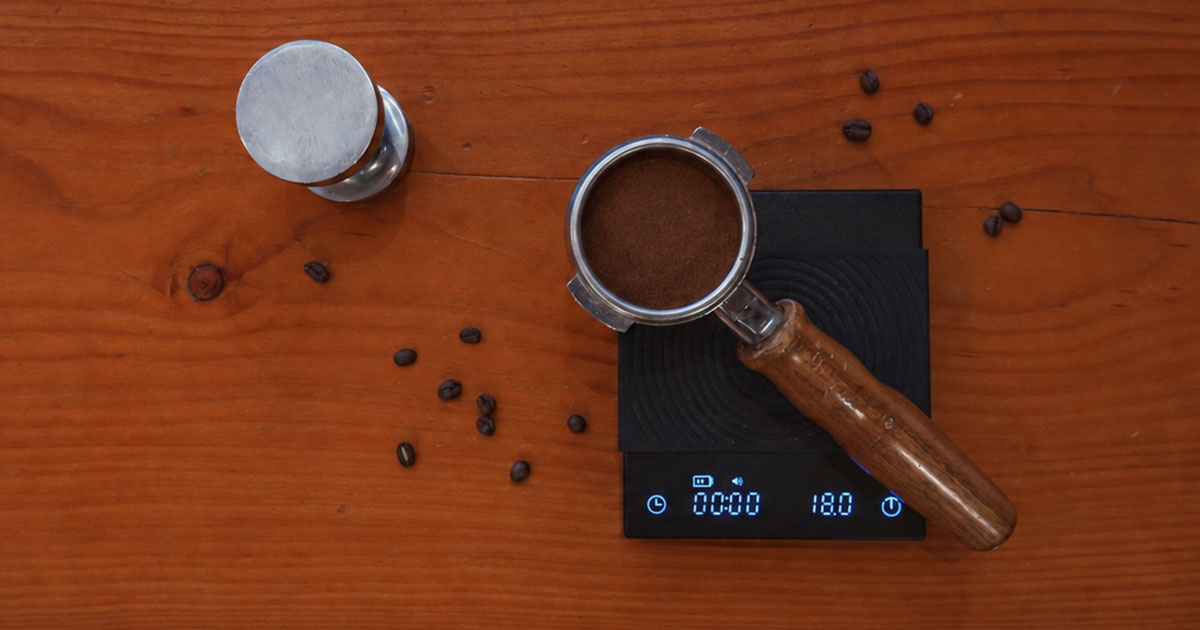
That matters because home espresso already has enough variables. Grind size, dose, yield, temperature, tamping, shot time, machine pressure, water quality. The list gets long fast. Starting with a coffee designed for espresso gives you a better chance of pulling a shot that tastes good without having to chase it all morning.
For someone who wants a more expressive espresso experience, Blend 95 is the next step. It offers a brighter, sweeter, more lifted espresso profile while still feeling intentional and balanced. It is a great fit for someone who enjoys espresso with more nuance and is willing to spend a little more time dialing it in.
A simple way to choose:
If you want espresso that is balanced and dependable, start with Discovery Espresso.
If you want espresso that feels brighter, sweeter, and more expressive, try Blend 95.
Espresso can be complicated. Choosing the right coffee should make it less complicated, not more.
Roast Level Matters, But Not the Way People Think
Roast level is usually the first thing people look at when buying coffee.
Light roast.
Medium roast.
Dark roast.
That makes sense. Roast level does matter. But it does not tell the whole story.
A light roast is not automatically better.
A dark roast is not automatically stronger.
A medium roast is not automatically boring.
Roast level mostly affects how the coffee expresses itself.
Light Roast
Light roasts usually keep more of the coffee’s origin character. That means more brightness, more fruit, more floral notes, and more complexity.
They can be incredible when roasted and brewed well, but they can also taste sharp if the coffee is underdeveloped or brewed poorly.
Light roasts are best for people who like:
- Brightness
- Fruit notes
- Complexity
- Pour over
- Lighter-bodied cups
Medium Roast
Medium roasts are often the sweet spot for everyday drinking.
They usually balance sweetness, body, acidity, and roast character. You can still taste the coffee’s origin, but the cup often feels rounder and more familiar.
Medium roasts are best for people who like:
- Chocolate
- Caramel
- Nuts
- Balance
- Drip coffee
- French press
- Espresso
Dark Roast
Dark roasts lean more into roast character than origin character. That usually means more body, deeper flavor, lower perceived acidity, and more bitterness.
A good dark roast should still have sweetness and structure. It should not just taste burnt.
Dark roasts are best for people who like:
- Bold coffee
- Dark chocolate
- Low acidity
- Cream or milk
- French press
- Cold brew
- Classic strong coffee
The simplest way to think about it:
Light roast highlights the coffee’s origin.
Medium roast balances origin and roast flavor.
Dark roast highlights roast depth and body.
None of these are wrong. They are just different routes up the mountain.
Match Your Coffee to Your Brew Method
Your brew method can change how a coffee tastes.
The same coffee brewed as a pour over, French press, espresso, and cold brew can feel like four different experiences. That is why choosing coffee based on brew method can make your life easier.
Here is a simple starting point.
Drip Coffee
Best with balanced, smooth, chocolatey coffees, usually in the medium roast range.
Pour Over
Best with bright, clean, fruit-forward, or floral coffees where clarity and aroma can shine.
French Press
Best with full-bodied, nutty, chocolatey, or rich coffees that can handle a heavier brew style.
Espresso
Best with sweet, balanced, structured coffees that have enough body to taste good straight or with milk.
Cold Brew
Best with smooth, low-acid coffees with cocoa, caramel, nutty, or mellow flavor notes.
Moka Pot
Best with bold, sweet, chocolatey coffees that can create an espresso-like cup.
AeroPress
Flexible enough for smooth medium roasts or brighter coffees, depending on your recipe.
This does not mean you have to follow strict rules. Coffee is not that fragile.
But if you are trying to choose a bag and feel stuck, start with your brew method and work backward.
For example:
If you make drip coffee every morning, a balanced medium roast is usually a safe bet.
If you make pour overs on the weekend, try something brighter or more complex.
If you make lattes, choose something sweet, structured, and espresso-friendly.
If you make cold brew, look for chocolate, caramel, nutty, or mellow flavor notes.
The Cutters Point Coffee Flavor Map
Now let’s turn all of this into something simple.
You do not need to memorize roast levels, processing methods, origin details, or tasting note vocabulary to choose better coffee. You just need to find your lane.
Use this as a starting point the next time you are choosing a bag.
If You Like Smooth, Familiar Coffee
You are probably in the classic and easy-drinking lane.
Start with a balanced medium roast or house-style blend, like CP Original. This kind of coffee is built for everyday drinking and works well black, with cream, or as a dependable morning cup.
If You Like Chocolate, Caramel, and Nuts
You are probably in the cozy and comforting lane.
Try Pacific Peaks or Original. Coffees in this lane tend to be smooth, sweet, and easy to enjoy across different brew methods.
If You Like Bright, Fruit-Forward Flavors
You are probably in the complex and expressive lane.
Explore the Legacy Collection. This is where you will find coffees with more nuance, more origin character, and more of those bright, layered flavors that make specialty coffee exciting.
If You Want Espresso That Works Well at Home
You are probably looking for something balanced and dependable.
Start with Discovery Espresso. It is built for sweetness, body, and consistency, which makes it a strong choice for home espresso and milk-based drinks.
If You Want Brighter, Sweeter Espresso
You may enjoy something more expressive and elevated.
Try Blend 95. It is a great fit if you like espresso with more brightness, sweetness, and nuance.
If You Like Bold, Rich Coffee
You are probably in the full-bodied and low-acid lane.
Look for a darker roast or a cold brew-friendly coffee with cocoa, toasted nut, dark chocolate, or full-bodied flavor notes.
The goal is not to put every coffee into a rigid box. Coffee is more interesting than that.
But when you are trying to decide what to buy, a simple map helps. It gives you a place to start.
Once you find a coffee you like, pay attention to the words used to describe it. Those words become your personal coffee compass.
If you enjoy a coffee with notes of chocolate, caramel, and toasted nuts, you will probably enjoy other coffees in that same flavor lane.
If you love bright citrus, berry, or stone fruit notes, you may want to explore lighter roasts, single-origin coffees, or the Legacy Collection.
If you want espresso that tastes good with less frustration, choose a coffee designed for espresso rather than forcing a random bag to behave under pressure.
Coffee gets a lot easier when you stop guessing.
How to Use Flavor Notes When Buying Coffee
Flavor notes are most helpful when you treat them like clues, not promises.
A bag that says milk chocolate, caramel, and almond probably points toward a smooth, sweet, easy-drinking coffee.
A bag that says citrus, peach, and floral probably points toward a brighter, more delicate coffee.
A bag that says dark chocolate, roasted nuts, and full body probably points toward something richer and deeper.
That does not mean every person will taste the exact same thing. Your brew method, water, grinder, recipe, and personal palate all play a part.
But the general direction is usually there.
Here is a simple way to read common tasting notes:
Chocolate
Usually means smooth, rich, and familiar.
Caramel
Usually means sweet, round, and balanced.
Brown Sugar
Usually points toward warm sweetness.
Citrus
Usually means bright and lively acidity.
Berry
Usually means fruity, juicy, and more complex.
Stone Fruit
Usually means sweet, bright, and often elegant.
Floral
Usually means aromatic, delicate, and lighter.
Nutty
Usually means mellow, comforting, and easy-drinking.
Dark Chocolate
Usually means rich, deeper, and slightly bittersweet.
Smoky
Usually means roast-forward, bold, and heavier.
Once you understand that, the bag starts making more sense.
You are not trying to decode a secret message. You are just looking for clues that match what you already like.
What If You Do Not Know What You Like Yet?
That is completely normal.
Most people do not walk into coffee knowing their dream flavor profile. They figure it out by trying a few different lanes.
The best way to learn is to compare.
Start with one coffee that feels familiar, like a smooth medium roast with chocolate or caramel notes.
Then try something a little brighter, maybe a lighter roast or a Legacy Collection coffee with fruit-forward notes.
Then try something built for a specific use, like Discovery Espresso for espresso or a cold brew-friendly coffee for summer brewing.
You do not need to try everything at once. Just pay attention to what you want to drink again.
That is the real test.
Not whether the tasting notes sound impressive.
Not whether the roast level feels trendy.
Not whether someone online says you are supposed to like it.
The best coffee for you is the one you look forward to brewing again tomorrow.
A Simple Coffee Buying Shortcut
Here is the easiest way to choose your next bag:
If you want comfort: choose chocolate, caramel, nutty, smooth, or balanced notes.
If you want something interesting: choose citrus, berry, stone fruit, floral, or honey notes.
If you want less perceived acidity: choose medium-dark or darker coffees with cocoa, toasted nut, or full-bodied descriptions.
If you want espresso: choose a coffee designed for espresso, especially one described as sweet, balanced, syrupy, or structured.
If you want a gift: choose something approachable but special, like a medium roast blend or a Legacy Collection coffee for someone who already enjoys specialty coffee.
That shortcut alone will save you from buying coffee that sounds impressive but does not fit what you actually enjoy.
Choosing Coffee Should Feel Less Like Guessing
Coffee can be complex, but buying it does not have to be.
You do not need to know every origin.
You do not need to memorize every processing method.
You do not need to pretend you taste jasmine and nectarine if all you really know is, “This tastes good.”
That is enough.
The more coffee you try, the more your preferences start to take shape. Maybe you are a chocolate-and-caramel person. Maybe you love bright, fruit-forward coffees. Maybe you want one dependable espresso and one weekend coffee that feels a little more special.
There is no wrong answer.
There is only the coffee that fits your taste, your routine, and the way you like to drink it.
That is the whole point of the Coffee Flavor Map.
Find your lane.
Brew something better.
Take the scenic route when you feel like it.
Ready to Find Your Flavor Lane?
Browse our coffees, explore the Legacy Collection, or start with a bag that matches the flavors you already know you love.
Better coffee does not have to be complicated. It just needs to fit you.
keep reading
Get our latest brewing guide videos


and the stories behind the coffee
in your inbox

Get our latest brewing guide videos and the stories behind the coffee in your inbox

Get free coffee by earning points in the Cutters Point app. Download it here:


Website built by RUSTY GEORGE